
In modern manufacturing and plastic waste management systems, plastics are mainly classified into seven major types.
The Seven Major Types of Plastic:
- PET (Polyethylene Terephthalate) – Widely used in water bottles and soft drink bottles.
- HDPE (High-Density Polyethylene) – Common in cans, detergent bottles, and industrial pipes.
- PVC (Polyvinyl Chloride) – Predominantly used in pipes and electrical wire insulation.
- LDPE (Low-Density Polyethylene) – Used in plastic bags and wrapping films.
- PP (Polypropylene) – Found in food containers, bottle caps, and straws.
- PS (Polystyrene) – Used in thermocol and disposable cups or plates.
- Other (Miscellaneous Plastics) – Includes mixed plastics such as PC, ABS, and Nylon.
The Journey from Consumer Use to Plastic Pollution
These various types of plastics are commonly processed into plastic granules, which are widely available in the market for bulk plastic product manufacturing. Depending on the intended final product—such as household items, packaging materials, toys, and wrapping materials—the appropriate type of plastic is selected for production. Once these products are sold and used by consumers in daily life, a major question arises: how should this generated waste be managed? This is where the concept of plastic waste management and the threat of plastic pollution begin to emerge. The material that becomes unusable after consumption is mainly classified into two major categories: Industrial plastic waste and Municipal plastic waste.
Industrial Plastic Waste vs. Municipal Plastic Waste
Industrial plastic waste refers to the scrap generated during the plastic manufacturing process, excluding the final product. This waste remains within the industry premises. For example, while manufacturing products like chips packets, the unwanted plastic material that is cut off during production is considered industrial plastic waste. Although this is a form of scrap, it is comparatively easier to manage through standard plastic recycling processes. The reason is that this type of waste plastic usually has uniform shape, size, and material properties, making it suitable for highly efficient plastic waste recycling and reprocessing. It can easily be converted back into recycled plastic granules to be reused in manufacturing. As a result, this type of plastic has good market value and is widely accepted in the industrial recycling industry. Moreover, industrial plastic waste is rarely found scattered on roadsides or in open environments, meaning it causes relatively less direct environmental pollution. However, if the cost of recycling becomes too high or economically unfeasible, this industrial waste can eventually be diverted into the municipal solid waste stream, thereby contributing to the growing problem of municipal plastic waste management.
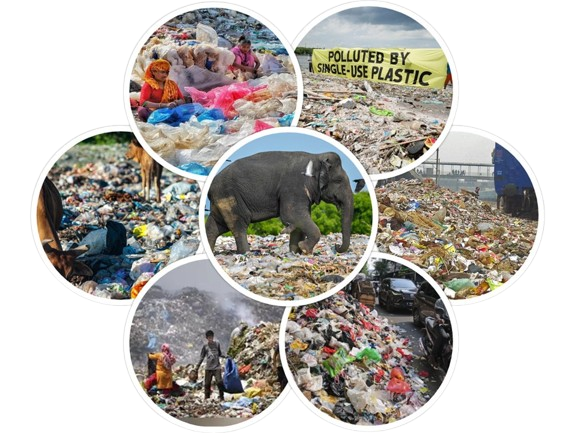
The Severe Challenges of Municipal Plastic Waste
The main challenge standing in front of us today is the growing problem of municipal plastic waste management. This specific type of plastic waste is known by various names such as roadside plastic waste, agricultural plastic waste, household plastic waste, commercial plastic waste, and single-use plastic waste. Such waste is commonly found lying neglected along roadsides, railway tracks, and at open dumping yards. This specific plastic waste is often not collected by individuals because it holds little to no immediate economic value. Therefore, the responsibility of collecting this scattered waste mainly lies with municipal corporations, pollution control boards, and various NGOs. These organizations gather the plastic waste and transport it to designated dumping sites. As a result, large piles of plastic waste continue to grow day by day, creating serious environmental pollution issues. One of the major challenges in plastic waste management and recycling is that this mixed waste consists of different types of plastics with varying shape , size and properties. This makes it incredibly difficult to identify, sort, and carry out proper waste segregation, which is a critical step in effective recycling. While larger plastic items such as tables, chairs, and buckets are often collected from this pile by local scrap dealers for recycling, single-use plastic waste—especially thin plastics (typically less than 150 microns)—is usually left behind in dumping yards or on roadsides. This type of plastic waste is the most problematic in terms of environmental impact.
Such thin plastic does not only accumulate in landfills but also contributes to multiple forms of pollution. When it enters rivers and drainage systems, it causes water pollution; when burned, it leads to toxic air pollution; and when it remains in the soil, it causes severe land pollution. Additionally, it blocks urban drainage systems and reduces soil quality, creating serious ecological imbalances. Due to these harmful effects, the environment and the Earth are forced to pay a heavy price. Many marine animals lose their lives because of ocean plastic pollution. In several tragic cases, large amounts of plastic have been found and surgically removed from the stomachs of terrestrial animals. These are some of the severe consequences we are witnessing today. Therefore, plastic pollution control has become an urgent need of the present time, and it can be effectively addressed through a proper Plastic Waste Control Project (PWCP), focusing on sustainable and eco-friendly solutions.
Revolutionary Tech: Transforming Waste into Useful Products
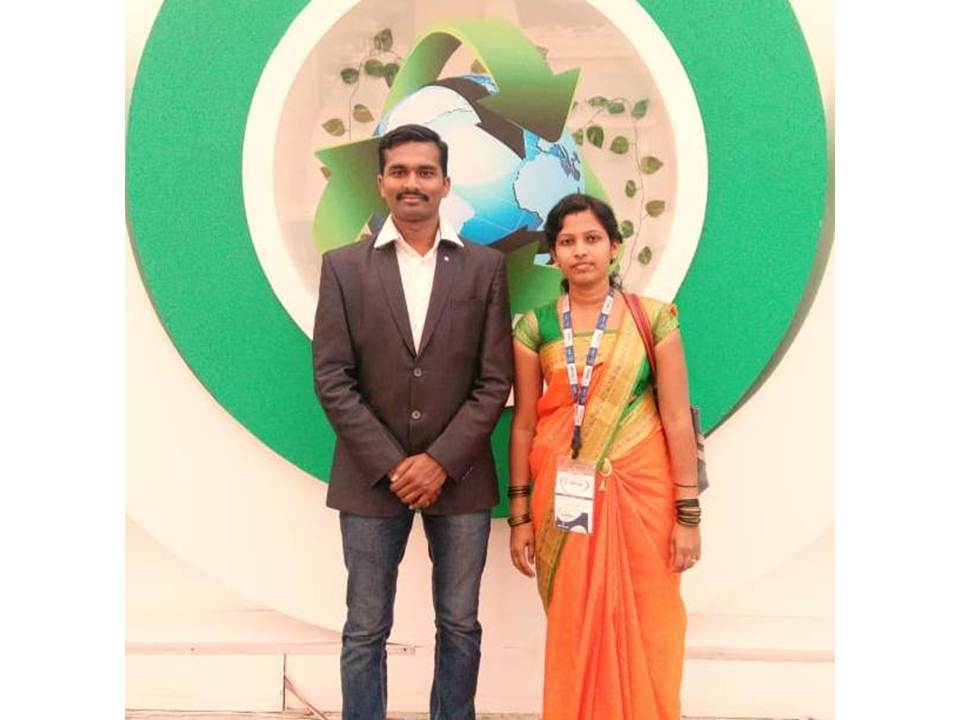
The innovative Waste Plastic Product Machine, developed through dedicated research by inventor Chanakya Bhaskar, has been successfully commercialized by Riya Deshmukh. With the help of this advanced machine, it is possible to effectively control the daily generation of plastic waste, making it a powerful solution in modern plastic waste management. As the CEO of Deshmukh Research Industry, Riya Deshmukh established the company with the explicit aim of providing a commercial platform for the waste plastic product machine. She is actively working to make this inventive plastic recycling technology accessible to the public, local bodies, and industries. To support this massive mission, she has developed an online platform, www.dri-bharat.co.in, which helps in promoting sustainable solutions for plastic waste recycling, large-scale waste management, and environmental protection.
“Together, we can convert plastic waste into valuable resources. Join us in building a cleaner, sustainable future through innovative recycling solutions. Contact us today to make a real impact.” ... Riya Deshmukh , CEO Deshmukh Research Industry

.
This specialized machine is based on proprietary Thermomesh Technology, which has been invented by Chanakya Bhaskar. This technology is fully patented and has already been successfully implemented in multiple states across India, where several plants are successfully established and operational using this system. The key advantage of this machine is that it enables direct control of plastic pollution. Plastic waste can now be processed at the exact source of generation, completely eliminating the need to depend on municipal corporations for collection and processing. This makes it a highly efficient solution in decentralized plastic waste management and on-site plastic recycling. Using this technology, waste plastic can be directly converted into highly useful construction products such as plastic bricks, paver blocks, and tree guards, promoting highly sustainable recycling solutions. In addition, legacy plastic waste that has accumulated over many years in landfills can be effectively managed through specialized plastic dam technology, contributing directly to long-term plastic waste control and environmental sustainability.
Adopting such localized, innovative technologies allows industries and local communities to actively participate in plastic waste management, safeguarding future generations from the harmful effects of plastic pollution while contributing toward a cleaner and safer environment.
Plastic Waste Control Project
Plastic waste is not a problem, but an untapped resource. Through innovation and action, we can control pollution and create a sustainable future for generations to come.
Author’s Message – Chanakya Bhaskar